July 28, 2026
Understanding the variety of building materials available is crucial for outdoor projects. These materials can impact not only the appearance but also the longevity and sustainability of your project. This article will guide you through the process of selecting the right materials to ensure durability, aesthetics, and cost-effectiveness. By making informed choices, you can create spaces that are both beautiful and functional for years to come.
1. What are the Durable Building Materials for Outdoor Use?
1.1 Weather Resistance
The durability of building materials heavily depends on their ability to withstand weather conditions. Severe climate changes such as heavy rains, strong winds, or extreme heat can rapidly deteriorate certain materials. Choosing materials that are known for their weather-resistant properties, such as treated wood, certain stones, and metals, will ensure your project can withstand natural elements over time. According to Statista, the global hardware and building materials market is projected to grow at an annual rate of 2.15% from 2025 to 2029, highlighting the increasing demand for resilient materials.
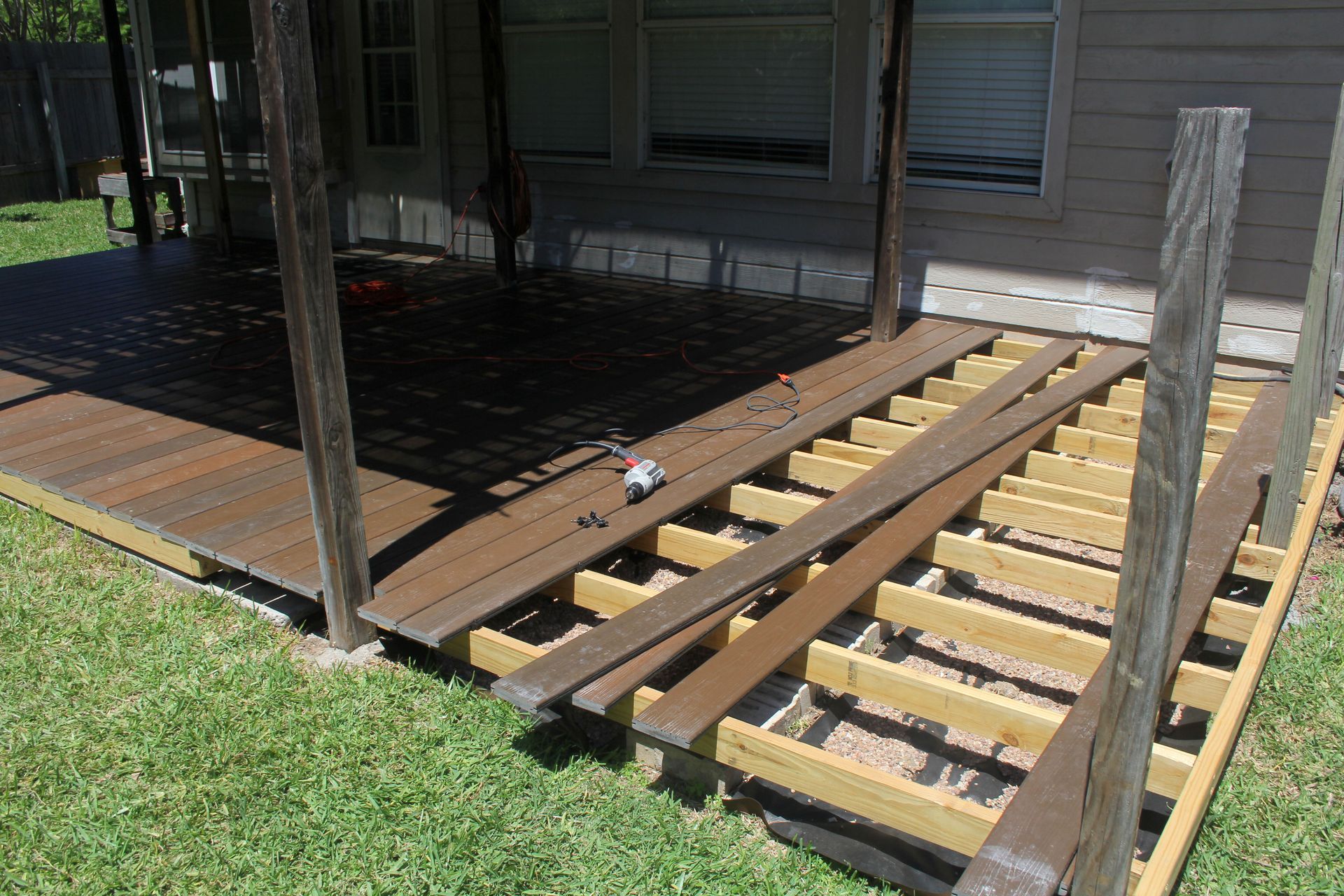
Weather-resistant materials not only protect the structural integrity but also help maintain the visual appeal. For instance, materials like composite decking and high-quality masonry can offer extended lifespan by resisting moisture and UV damage. By investing in such resilient materials, you can reduce the frequency of repairs and replacements. This long-term strategy leads to both immediate and extended financial benefits.
The choice of weather-resistant materials should align with the specific weather patterns of your region. The local climate dictates what materials will best suit your building needs to maximize longevity. It's important to consult local building codes and possibly even seek advice from local builders who have experience with the area's climate. This localized approach will help ensure your selections can withstand the test of time.
1.2 Material Longevity
Longevity is perhaps the most critical consideration when choosing building materials for outdoor projects. Durable materials such as concrete, steel, and pressure-treated lumber tend to perform better over extended periods. They require fewer interventions and maintenance, thereby extending the life of your project. This durability also equates to a better investment as the lifespan of the materials directly correlates with the frequency and cost of upkeep.
Examining the expected lifespan of different materials is essential. For instance, high-grade concrete can last over 50 years with minimal upkeep required under normal wear and tear conditions. Similarly, stainless steel and treated hardwoods are renowned for their durability and corrosion resistance, reducing the need for frequent maintenance. These characteristics make them prime candidates for long-lasting outdoor construction.
However, longevity must be considered alongside the intended use and location of the project. Some materials that might have extensive lifespans may not suit certain project aesthetics or climates. Thus, a comprehensive assessment of both the aesthetic desires and environmental conditions is necessary to make wise material choices. Consulting professionals who are knowledgeable about both design and engineering can be incredibly beneficial during this selection process.
2. How to Evaluate Cost-Effectiveness of Building Materials?
2.1 Initial Investment vs. Long-term Savings
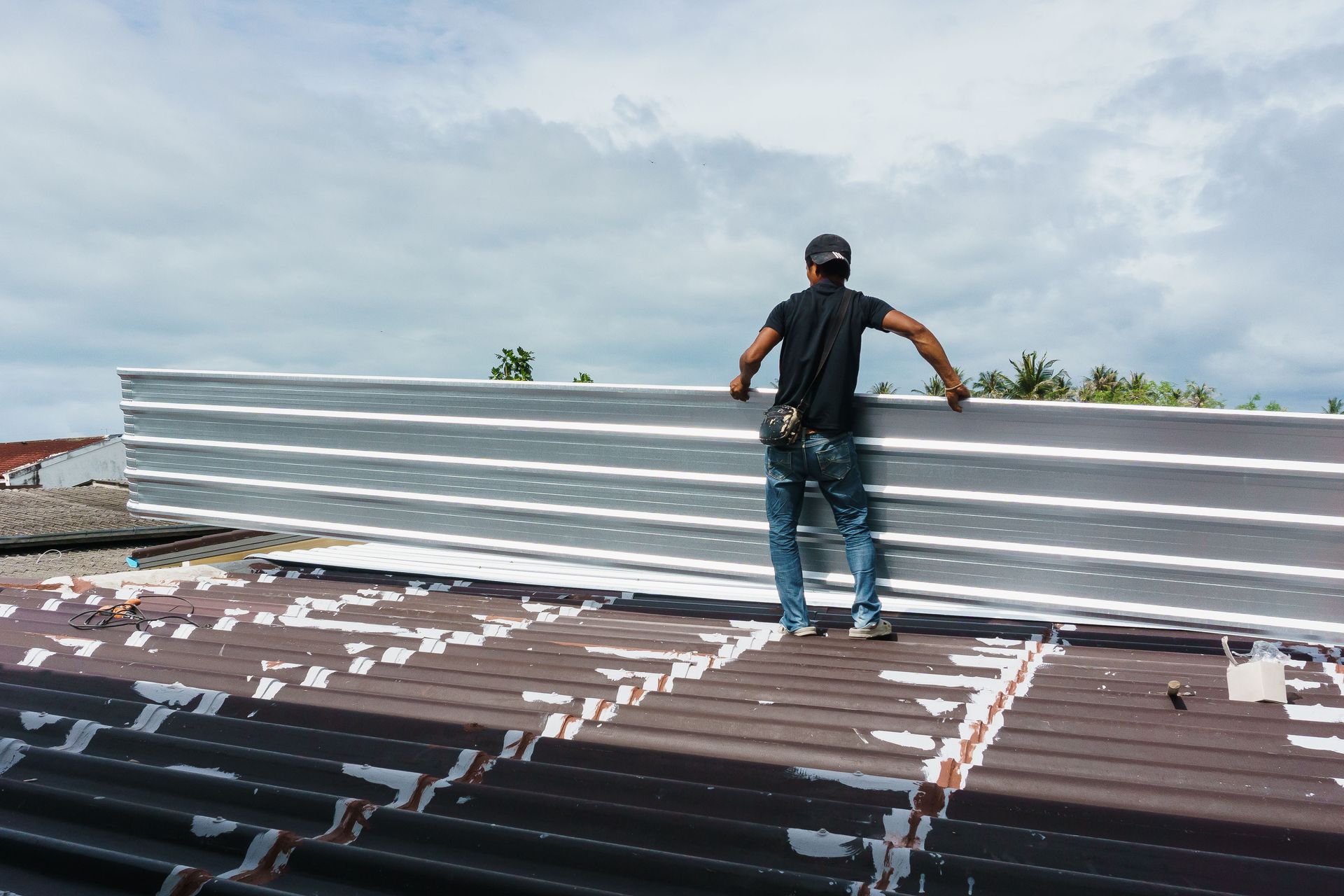
When evaluating building materials, it's crucial to balance initial investment against long-term savings. Although high-quality materials may require a larger upfront cost, they often deliver better durability and lower maintenance expenses over time. For instance, opting for metal roofing could be more expensive initially than conventional asphalt shingles, but the longer lifespan and minimal maintenance can result in significant savings. This analysis supports the notion that the cheapest option is not always the most cost-effective.
Choosing economical building materials is akin to managing an investment portfolio — you must weigh immediate costs against potential benefits. A thorough cost-benefit analysis helps illuminate whether paying more upfront could alleviate future financial burdens. Projects built with long-lasting materials require fewer repairs and replacements, thereby reducing lifetime costs. These considerations are crucial for both individual homeowners and large-scale developers planning outdoor projects.
In addition, understanding market trends can aid in making informed decisions; as mentioned previously, the building materials market is projected to grow, suggesting increased availability and competitive pricing in the coming years. Awareness of these economic factors can influence timing and choices for material procurement. Engaging with financial experts and contractors experienced in lifecycle cost analysis can further designate best-value options. These strategic efforts not only safeguard the integrity of your project but ensure solid financial performance as well.
2.2 Comparing Material Costs
Material costs can vary significantly depending on factors such as quality, availability, and geographical location. For instance, locally sourced materials may be more affordable due to reduced transportation costs. Conversely, imported or exotic materials might be price-prohibitive due to shipping expenses and limited availability. Conducting a thorough comparison of these costs helps in identifying what offers the best value for each specific project.
Standardizing comparisons by evaluating cost per square foot or per unit can provide a clear financial picture. This method allows for an apples-to-apples examination of different materials, taking into account the necessary quantities needed to complete the project. Additionally, considering associated labor and installation costs offers a more comprehensive view of the economic implications. This analytical approach ensures that decisions about materials reflect financial prudence alongside design and functional requirements.
It's also beneficial to consult multiple suppliers and leverage their pricing for negotiated discounts. Bulk purchasing can often secure lower per-unit costs, which is particularly advantageous for larger-scale projects. Collaborating with industry professionals who possess supply chain insights can unlock savings opportunities previously unknown. Resourcefulness and diligence in pricing assessments protect your project budget and contribute to overall success.
3. What are Eco-Friendly Building Materials for Outdoor Projects?
3.1 Renewable Resources
Using renewable resources in outdoor projects contributes significantly to environmental sustainability. Materials such as bamboo, cork, or reclaimed wood are eco-friendly alternatives gaining popularity due to their renewability and lower environmental impacts. These materials not only provide aesthetic versatility but also ensure that natural resources are conserved. Embracing these choices reflects a commitment to reducing the carbon footprint and fostering a healthier planet.
Opting for renewable building materials is aligned with societal trends toward environmental responsibility. As architects and builders face increased pressure to adopt green practices, using sustainable materials represents a crucial step in this shift. Renewable resources are often celebrated for their unique textures and flexibility, adding distinctive character to projects. With growing concern over climate change, the integration of these materials into outdoor spaces signifies conscientious decision-making and investment in future ecological well-being.
Furthermore, supporting renewable supplies motivates suppliers to prioritize ethical and sustainable production methods. The collective demand for eco-friendly building materials encourages industry-wide transitions and innovations toward greener practices. Reassurance in sourcing from responsibly managed forests or certified material chains brings peace of mind that your contributions positively impact broader environmental efforts. These meaningful choices culminate in fostering green movements with tangible, lasting benefits for society and future generations.
3.2 Recycled Materials
Incorporating recycled materials in outdoor projects provides a sustainable approach to construction. Repurposed materials, such as composite decking made from recycled plastics, exemplify creative solutions that minimize waste. These materials often meet rigorous standards for performance while offering comparable durability to traditional options. This adherence not only emphasizes practicality but also advances sustainable resource conservation.
The rise of the circular economy model underscores the importance of utilizing recycled materials to maximize resource lifespans. As technology improves, the availability and application of recycled construction materials have expanded, transforming waste management challenges into creative opportunities. Projects adopting these materials strive to create 'green loops' whereby product lifecycles are extended and environmental impact is minimized. Embracing these philosophies helps propel construction toward a more sustainable future.
Selecting the right building materials requires balancing durability, cost, environmental impact, and aesthetics. These consideration factors outlined provide comprehensive insights into making informed decisions to elevate outdoor projects. By weighing the priorities such as weather resistance, long-term savings, eco-friendliness, and standards compliance, you contribute to enduring and aesthetically pleasing spaces. Embrace these guiding principles, and you'll be well-prepared to choose materials that enhance both the functionality and beauty of your outdoor projects. Reach out to Stewart Builder Supply today to see how we can help you!