March 30, 2026
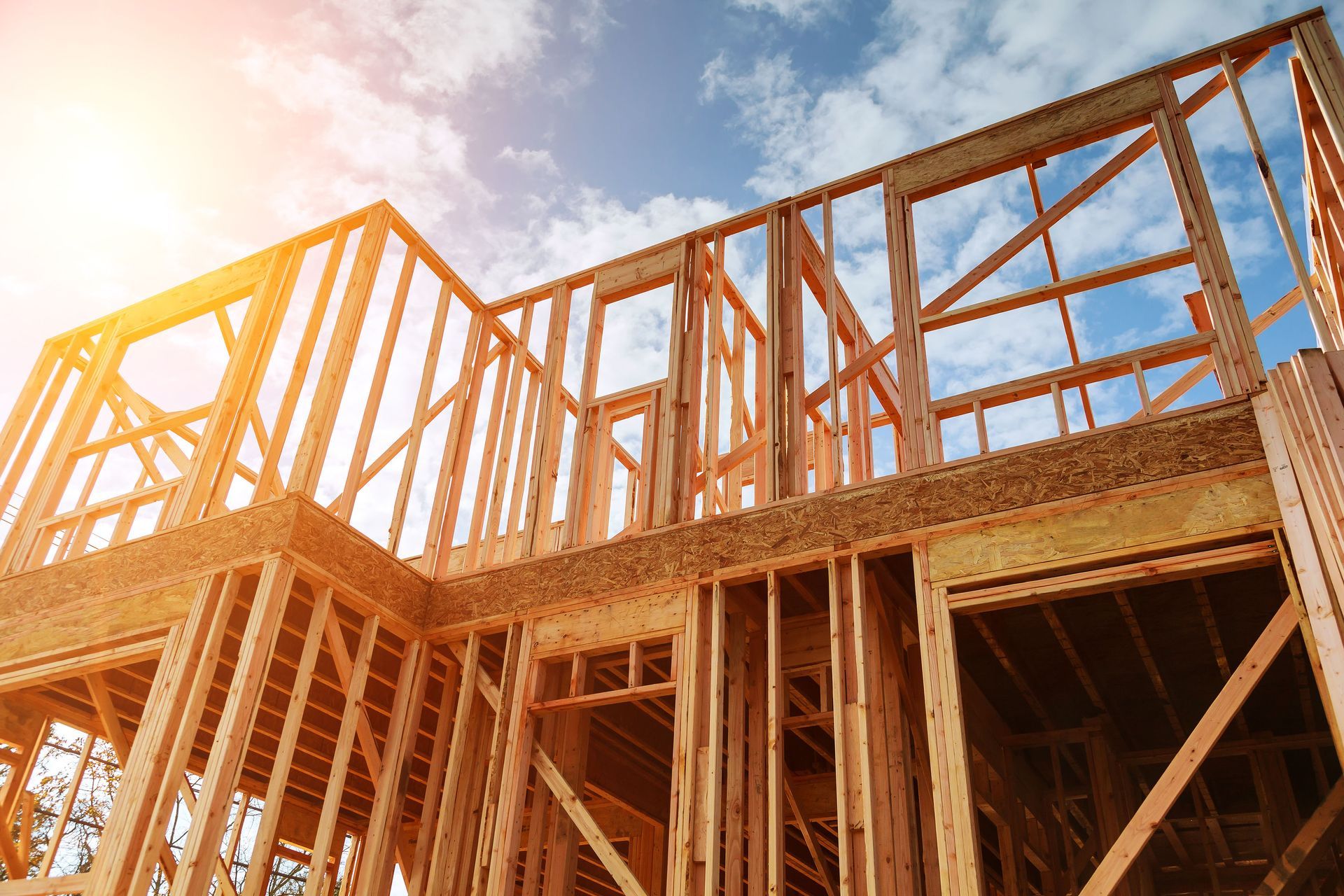
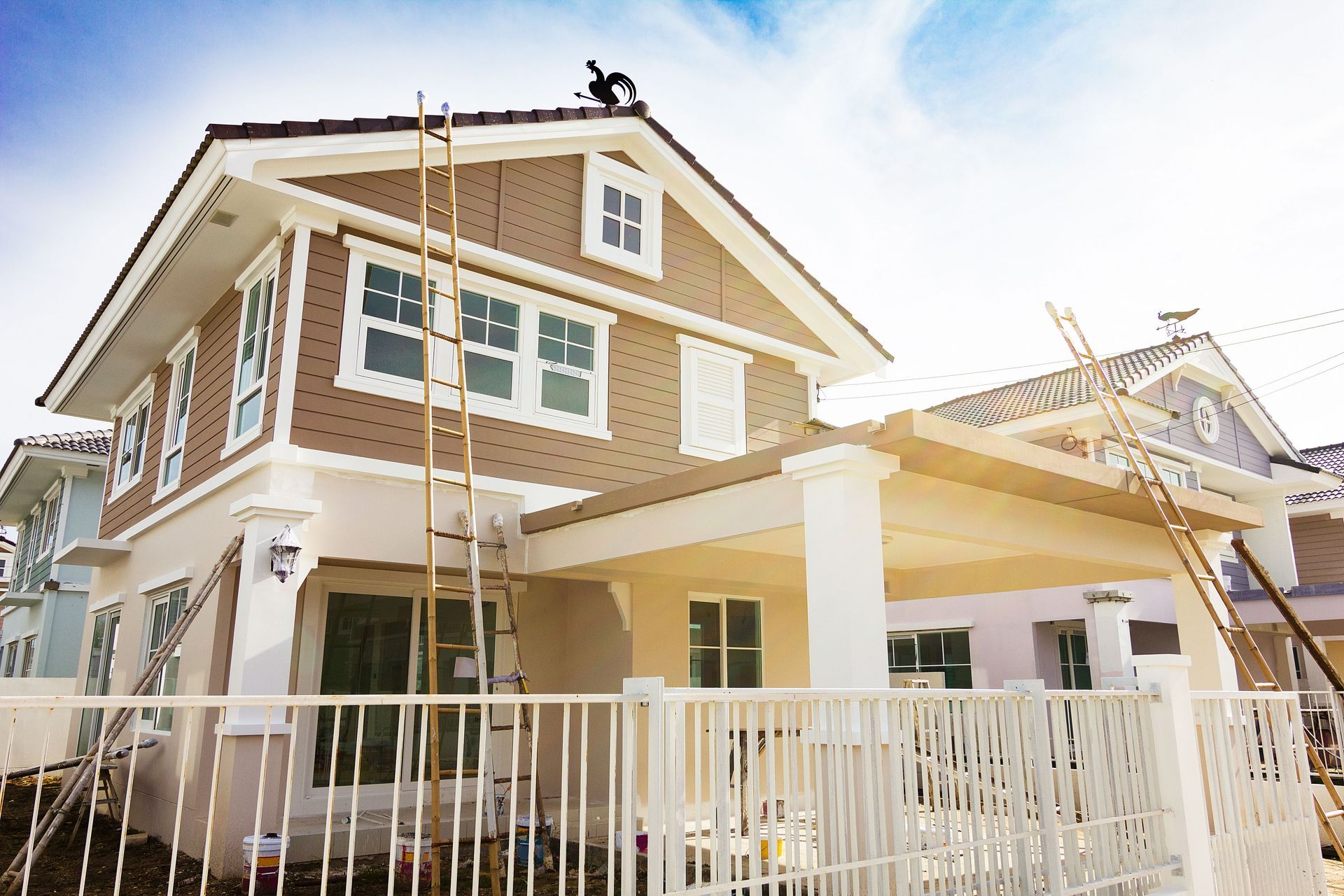
Starting a new home construction project is an exciting opportunity to create a space that fits your lifestyle, priorities, and long-term goals. It also involves a series of important choices that can affect your budget, timeline, daily comfort, and future maintenance needs. Before the first shovel goes into the ground, it is worth taking the time to think through the major decisions that shape the entire building process.
Many homeowners focus first on finishes and visual details, but the earliest choices often have the biggest impact on the final result. Decisions about budget, location, layout, materials, contractors, and building materials all influence how smoothly the project moves from planning to completion. By preparing carefully at the start, you can approach your build with more confidence and create a home that supports your needs for years to come.
Setting a Realistic Budget
One of the first decisions to make before starting a custom home is determining how much you are prepared to spend. A realistic budget should include more than the base construction price, since site preparation, permits, utility connections, labor, finishes, and unexpected changes can all add to the total cost. Looking at the full scope from the beginning helps reduce the chance of financial strain later in the project.
It is also helpful to decide where you are willing to spend more and where you would rather keep costs under control. Some homeowners place a higher priority on kitchen upgrades, energy-efficient systems, or premium flooring, while others focus more on structural features or outdoor living areas. Creating a clear budget framework early makes it easier to evaluate design choices, compare pricing, and select building materials that align with your overall financial plan.
Choosing the Right Location
The location of your new home effects much more than the view from the front porch. School districts, commute times, nearby amenities, zoning regulations, drainage conditions, and future neighborhood growth can all influence whether a property is the right fit. A lot that looks attractive at first glance may still come with issues that affect design options and long-term value.
Before moving forward, take time to study the site and the surrounding area from both a practical and lifestyle standpoint. Think about how the land slopes, how water moves across the property, and whether trees, easements, or soil conditions may affect the build. Choosing the right location gives your project a stronger foundation and helps you make better decisions about layout, access, and exterior features later on.
Defining Your Must-Have Features
Every homeowner has a different vision for how a new home should function. Some people want an open-concept kitchen and living area for entertaining, while others need a quiet home office, extra storage, or a first-floor primary suite. Identifying your must-have features before construction begins helps keep the design process focused and reduces confusion once plans are in motion.
It is useful to separate true necessities from items that would simply be nice additions. This step helps prevent wish lists from becoming so long that they strain the budget or complicate the design. When priorities are clearly defined, it becomes easier to work with your builder and suppliers to choose layouts, finishes, and building materials that support the way you actually want to live in the home.
Comparing Your Material Options
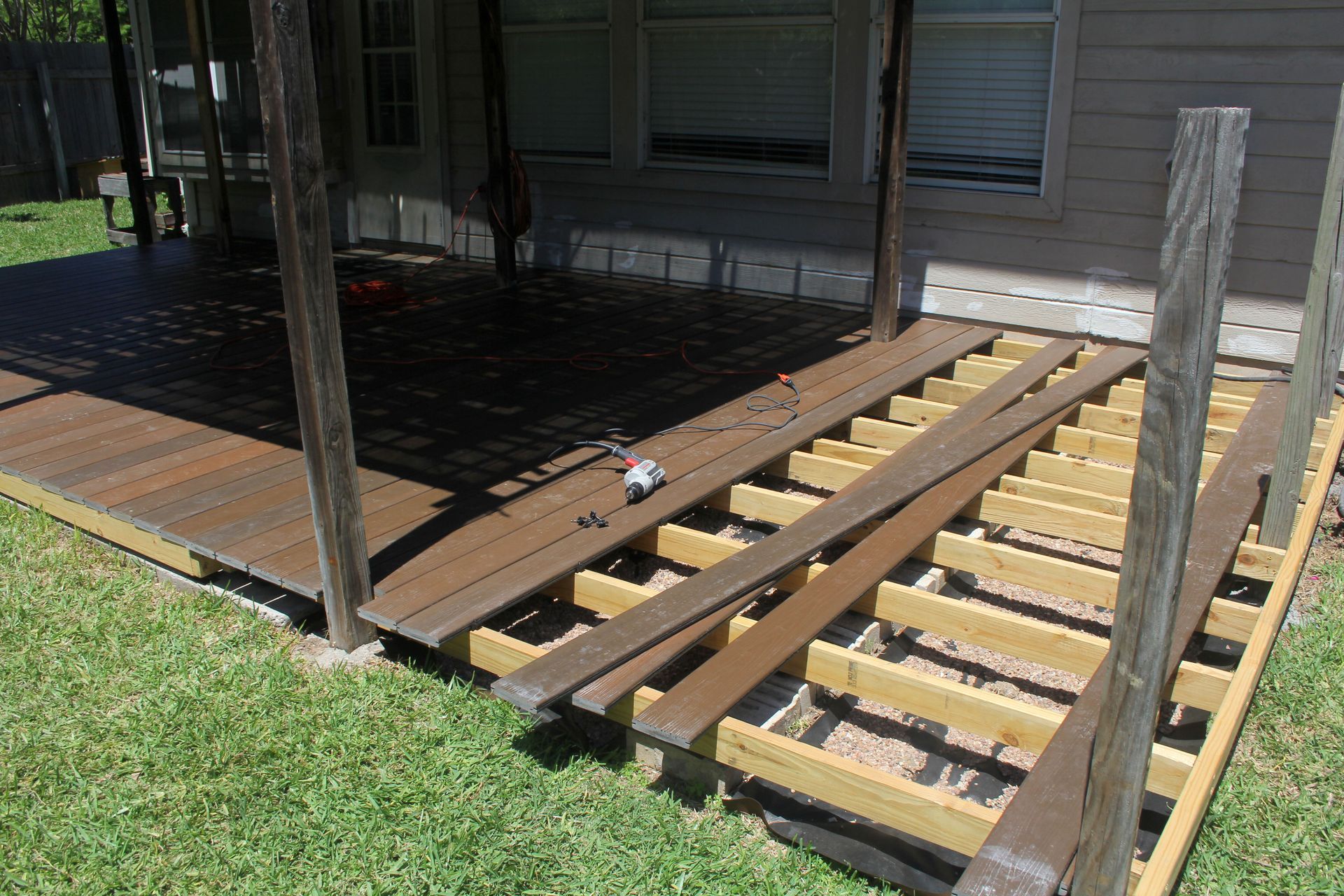
The materials used throughout a new home affect durability, maintenance, appearance, and overall cost. Exterior products need to perform well in the local climate, while interior finishes should match your style and daily habits. Taking time to compare product choices can help you avoid picking items based only on appearance without understanding how they may perform over time.
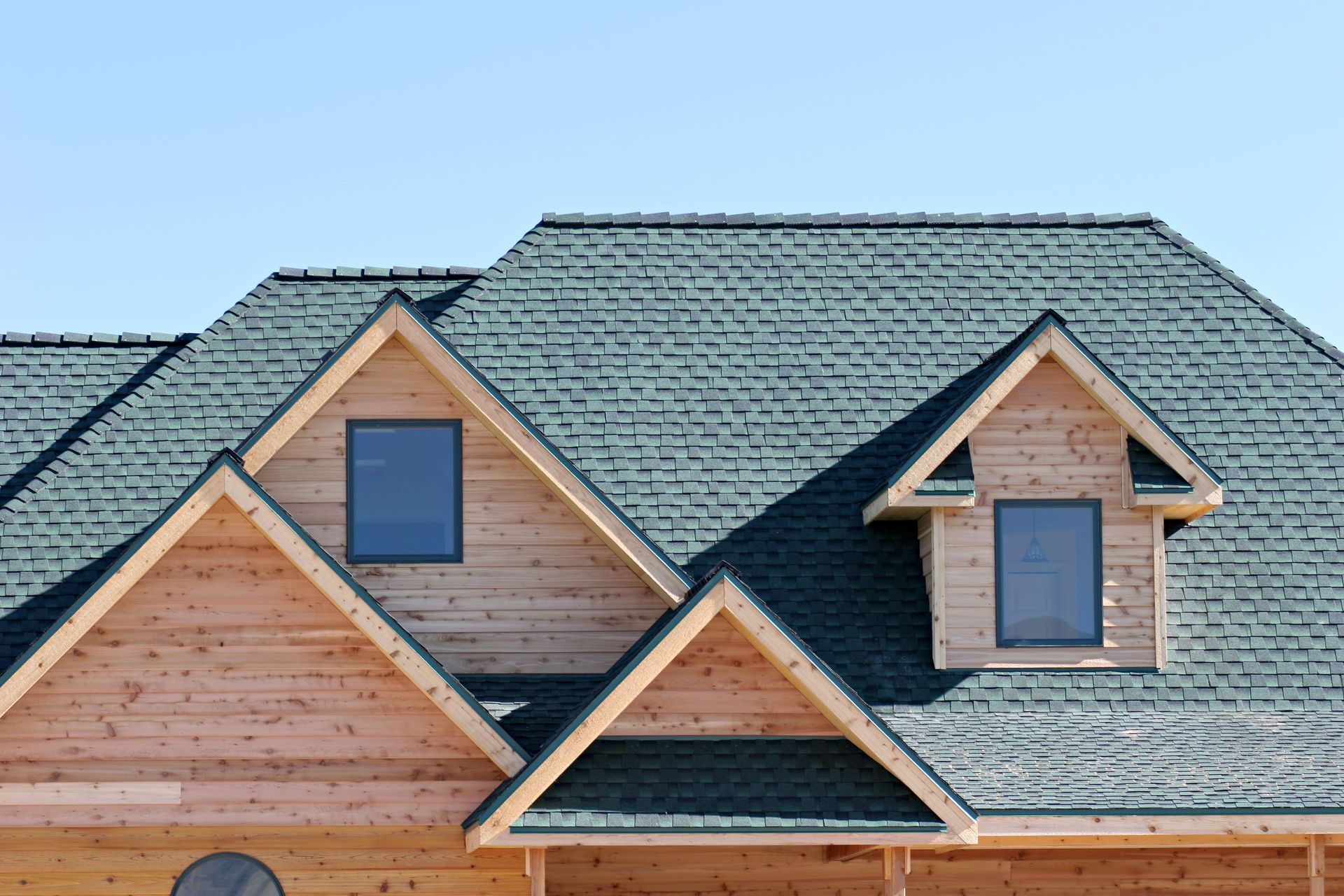
This decision also involves balancing quality, price, and availability. Some homeowners may prefer natural finishes, while others prioritize low-maintenance products that stand up well to heavy use. According to Forbes, 80% of interior design professionals consider natural, unpainted wood to be one of this year’s leading building materials. Trends can be helpful for inspiration, but the best choice is usually one that fits your budget, complements your design goals, and performs well for your household.
Hiring the Right Professionals
The people you choose to work with can shape the quality of the finished home just as much as the plans themselves. Builders, suppliers, designers, and contractors all play important roles in keeping the project organized, compliant, and on schedule. Choosing professionals with strong communication skills, a solid reputation, and relevant experience can make the process much smoother from start to finish.
Before making a final decision, ask questions about timelines, project management, subcontractors, and how changes are handled during construction. It is also smart to review past work, check references, and talk through expectations in detail. Working with reliable professionals helps create a more productive experience and gives you better guidance when comparing products, costs, and building materials for different parts of the home.
Reviewing Local Requirements
Every home construction project must fit within a set of local rules and requirements. Building codes, permit processes, setback regulations, utility access, and homeowners' association guidelines can all affect the design and timing of your project. Overlooking these details can lead to delays, redesigns, or added expenses that could have been avoided with better planning.
Taking time to review these requirements before construction begins can help you move forward with fewer surprises. This is especially important if you are building in a growing area or on a lot with unusual dimensions or access challenges. Understanding the local process allows you to make informed decisions about the home’s size, placement, and features before too much time or money has been invested.
Preparing for Future Needs
When planning a new home, it is easy to focus only on what you want right now. However, a thoughtful design should also reflect how your needs may change in the coming years. Family growth, aging in place, changing work habits, and resale value are all factors worth considering before the plans are finalized.
Thinking ahead can influence many areas of the project, from storage capacity and room flexibility to accessibility and mechanical systems. A bonus room might become an office, guest room, or playroom depending on future needs, while wider hallways or a main-level bedroom may add convenience later on. Planning with the future in mind can help you create a home that stays functional and appealing well beyond move-in day.
Finalizing Your Product Selections
One of the most practical ways to stay organized is to make as many product selections as possible before construction begins. Cabinets, flooring, lighting, plumbing fixtures, siding, roofing, and trim all require lead time, and delays in choosing them can slow down the project. Finalizing these decisions early also gives you a clearer picture of the full budget and reduces the likelihood of rushed substitutions later.
This step is where many earlier decisions come together. Your layout, design preferences, durability goals, and price range all influence the products that make the final list. When you have time to compare samples, ask questions, and evaluate building materials carefully, you are more likely to make choices that suit both your style and your practical needs.
Starting new home construction involves much more than picking a floor plan and waiting for the work to begin. Budgeting carefully, choosing the right site, defining priorities, reviewing regulations, and selecting the right professionals, products, and building materials all play a major role in the success of the project. If you are getting ready to build and want support with quality products and dependable guidance, contact Stewart Builder Supply today.