October 29, 2026
Residential construction relies on building materials capable of withstanding severe environments. Builders select products to ensure structural integrity. Wood remains a foundational staple in home design, offering natural beauty and strength. Untreated timber degrades when exposed to constant moisture. To combat these destructive forces, manufacturers infuse wood with chemical preservatives. This process creates pressure treated lumber, a resilient material designed for challenging outdoor environments.
The manufacturing process forces chemical compounds deep into the cellular structure of raw wood. These internal chemicals prevent fungal decay and repel wood-boring insects. The finished product withstands direct soil contact and constant weather exposure. Contractors utilize this robust wood throughout residential properties to establish stable frameworks and build enduring outdoor structures. Its enhanced durability makes it a fundamental component in modern construction.
Constructing Outdoor Decks and Patios
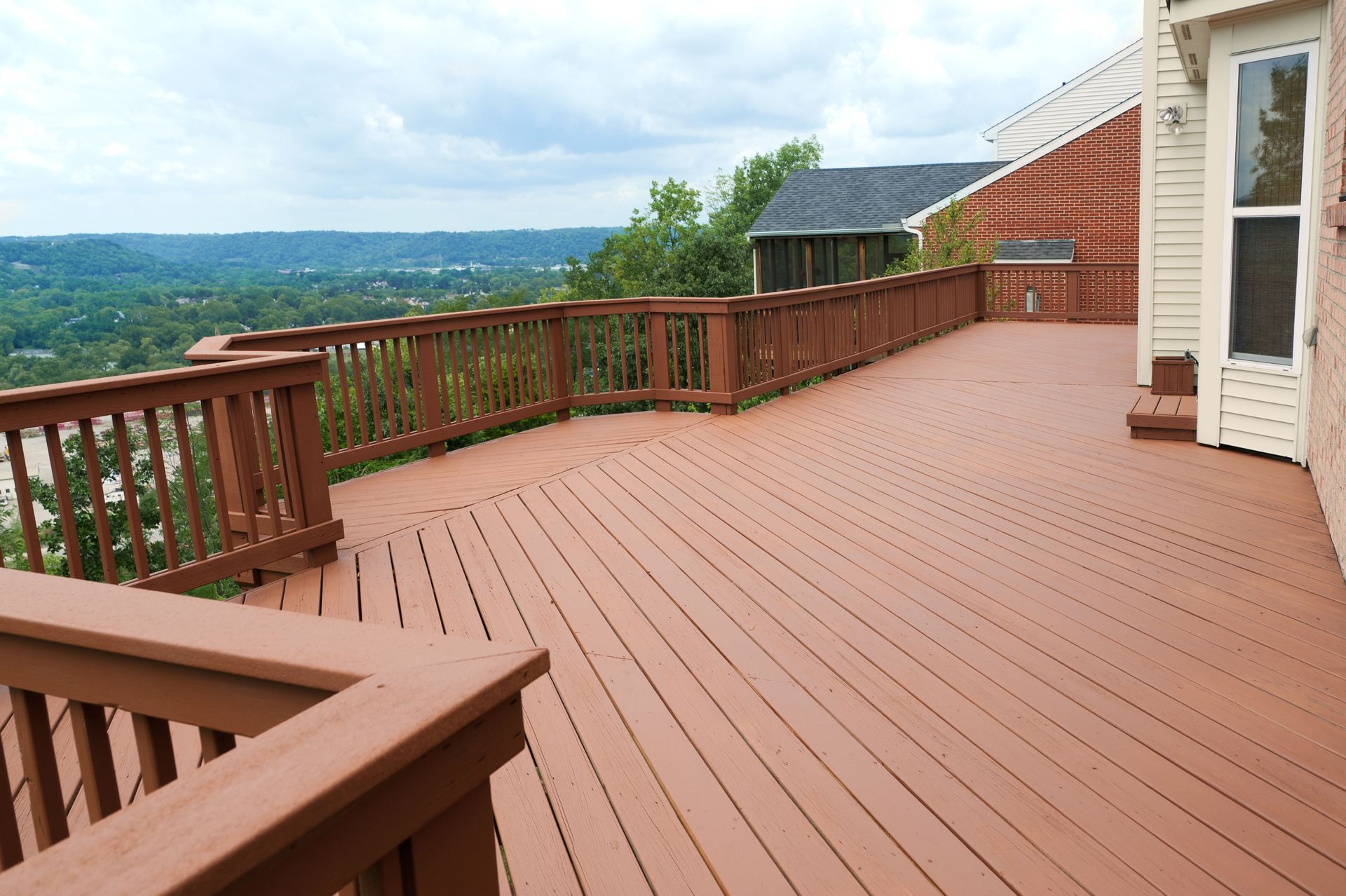
Decks provide valuable outdoor living spaces for residential properties. The foundation of any stable deck requires robust materials capable of holding substantial weight. Builders utilize posts set deep into the earth to anchor the structure. These foundational posts face constant exposure to underground moisture and insects. Utilizing pressure treated lumber ensures the base remains solid and resists degradation. The structural integrity depends on these primary supports.
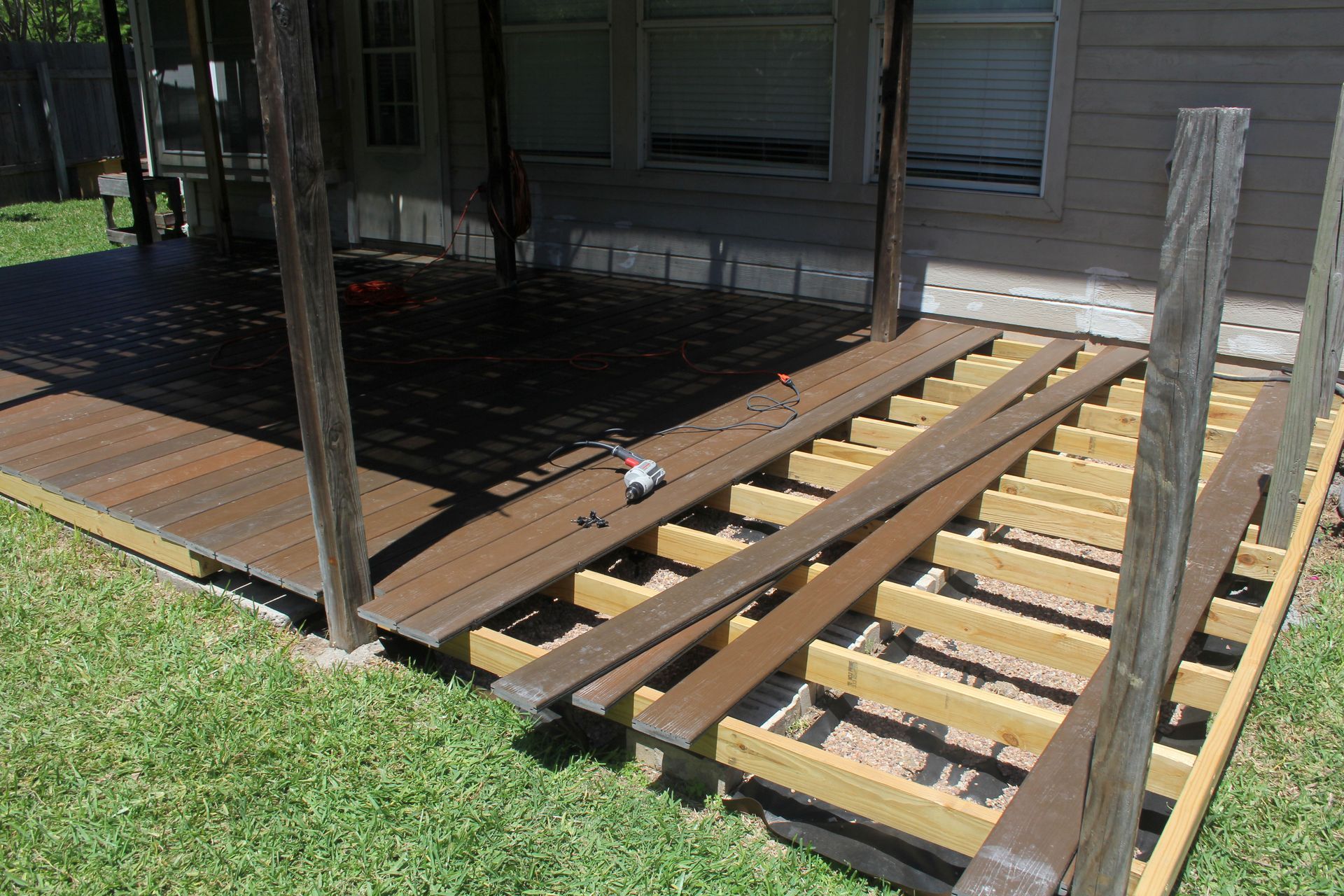
Above the posts, horizontal joists form the support system for the walking surface. These joists endure immense stress and seasonal weather changes. Rainwater seeps through surface deck boards, leaving the underlying frame damp. A resilient frame prevents the deck from sagging or collapsing. The infused chemicals in the wood repel water damage, maintaining the rigid structure. Proper framing techniques create a secure platform for entertainment.
Surface decking boards also require immense durability against outside elements. Homeowners desire a deck finish that withstands harsh sun, pouring rain, and freezing snow. While some builders select composite materials, traditional wood offers an authentic aesthetic. Applying a surface stain protects the boards from ultraviolet rays and water absorption. Regular maintenance preserves the pristine appearance and prevents splintering. The aesthetic appeal enhances the backyard.
Cost efficiency plays a significant role in material selection for patio extensions. Budget considerations dictate critical decisions during the planning phase of residential additions. According to Forestry, choosing pressure-treated lumber for large projects can help homeowners save 30% to 40%. This financial advantage allows builders to allocate resources to other vital design elements. The combination of affordability and inherent strength makes this wood an optimal choice.
Building Durable Fences and Gates
Fences define property boundaries and provide privacy for homeowners. Creating a boundary fence begins with setting posts deep into the earth. Direct ground contact accelerates the decay process in standard unprotected wood. Soil retains heavy moisture and harbors destructive termites, posing a constant threat to supports. Using treated materials for underground anchors prevents rapid deterioration. The posts form the backbone of the barrier, requiring defense against dirt.
Horizontal rails connect vertical posts and provide a crucial framework for the fence face. These structural rails carry the weight of individual pickets and withstand wind loads during severe storms. Sagging rails ruin the visual line of the fence and compromise the overall barrier. Builders depend on pressure treated lumber to maintain straight connections between the upright posts. The internal strength keeps the fence standing tall.
Pickets form the visible face of the residential privacy barrier. While pickets avoid direct ground contact, they endure relentless rainfall and intense sun exposure. Untreated pickets warp, cup, and split after minimal time outdoors. Protected wood resists these undesirable deformations, maintaining a uniform appearance along the property line. Homeowners often apply exterior paint to match the house. The protective chemicals bond with exterior paints.
Longevity defines a successful fencing project. Homeowners expect boundary markers to last for decades without requiring replacement. Rot-resistant wood minimizes the need for frequent repairs or individual post replacements. A robust fence secures the backyard, deters unwanted visitors, and enhances the curb appeal of the property. The enhanced timber proves essential for building reliable boundary structures. Investing in resilient materials prevents future frustration and maintenance costs.
Creating Raised Garden Planters
Gardening enthusiasts build raised beds to cultivate fresh vegetables and vibrant flowers. Raised planters improve soil drainage and reduce physical strain during cultivation. Constructing these planting boxes requires materials capable of holding damp soil. Standard pine rots when buried under wet dirt. Treated wood provides the necessary defense against constant moisture exposure. The durable sides of the planter box withstand wet compost and topsoil.
The structural integrity of a garden bed prevents soil from spilling into the surrounding yard. Wet earth exerts immense outward force on the vertical sides of the planter. Weak walls bow and snap under the relentless strain. Incorporating pressure treated lumber guarantees the walls remain rigid and intact. The fortified boards contain the earth and maintain the precise shape of the original garden layout.
Modern preservation chemicals address past safety concerns regarding edible garden plants. Historic wood treatments utilized heavy metals, prompting worries about soil contamination. Current manufacturing standards use safer copper-based solutions to protect the wood from decay. These modern chemical compounds bind to internal wood fibers, preventing chemical leaching into the surrounding dirt. Gardeners grow food crops in these wooden structures with complete confidence.
The aesthetic appeal of wooden planters complements any backyard landscape design. The natural grain of the wood blends with the surrounding outdoor environment. Customizing the height and length of the beds accommodates specific yard dimensions and personal gardening preferences. The enduring nature of the treated wood ensures the garden infrastructure survives multiple growing seasons without failure. Beautiful, lasting garden beds enhance the outdoor living space.
Framing Structural Sill Plates
Residential houses rest upon solid poured concrete foundations. Concrete absorbs and transfers moisture from the surrounding earth into the building envelope. Wood framing must attach to this concrete base to form exterior walls of the house. Placing raw wood against damp concrete initiates rapid, irreversible decay. Builders place a vital transitional barrier between the masonry foundation and wooden walls to prevent structural failure.
The sill plate serves as this critical transitional piece. It anchors the entire wooden skeleton of the home to the concrete slab. Since it touches the masonry, the sill plate absorbs transferred ground moisture. Standard building codes mandate the use of pressure treated lumber for this structural application. The treated wood halts upward moisture transmission, protecting vulnerable upper wall studs from rot.
Metal anchor bolts pass through the sill plate, securing the wooden frame against heavy winds and shifting ground. The wood must possess adequate density to hold heavy metal fasteners without splitting. Weak or rotting sill plates compromise the essential connection to the foundation. A compromised foundation connection endangers the entire residential structure. The fortified wood ensures a lasting, secure bond between the concrete and exterior framing.
Constructing a home requires meticulous attention to hidden structural details. The sill plate remains invisible behind interior drywall and exterior siding, yet performs a vital, foundational function. Ignoring the requirement for treated wood at the foundation level leads to immense property damage. Destructive mold, mildew, and termites attack unprotected sills. Proper material selection at the base guarantees the stability of the entire residential structure.
Selecting appropriate building materials determines the overall success and longevity of residential construction. Wood provides exceptional versatility, structural strength, and aesthetic appeal for various building applications. By utilizing pressure treated lumber, modern contractors overcome the natural vulnerabilities of raw timber. The chemical preservation process grants wood the unique ability to resist moisture, decay, and insect damage. This structural resilience allows for the creation of enduring outdoor features. When you are ready to start your next outdoor project, we have the pressure treated lumber you need right here at Stewart Builder Supply. Contact us today to gather your materials and bring your residential build to life.