November 24, 2026
Selecting high-quality building supplies directly shapes the success, safety, and longevity of any construction project. Whether you are breaking ground on a custom residence, renovating an existing structure, or managing a large-scale commercial development, the materials you choose determine how well a building performs under daily wear and extreme weather conditions. Industry professionals consistently emphasize sourcing materials that meet rigorous engineering standards to secure structural soundness from the foundation to the roof.
Cutting corners during procurement often introduces hidden complications that surface long after construction wraps up, leading to costly repairs, premature replacements, and dissatisfied stakeholders. By evaluating durability, lifecycle cost-effectiveness, visual appeal, environmental impact, and workplace safety upfront, builders and property owners can make informed decisions that protect their investment and deliver enduring value for decades.
Enhancing Structural Integrity
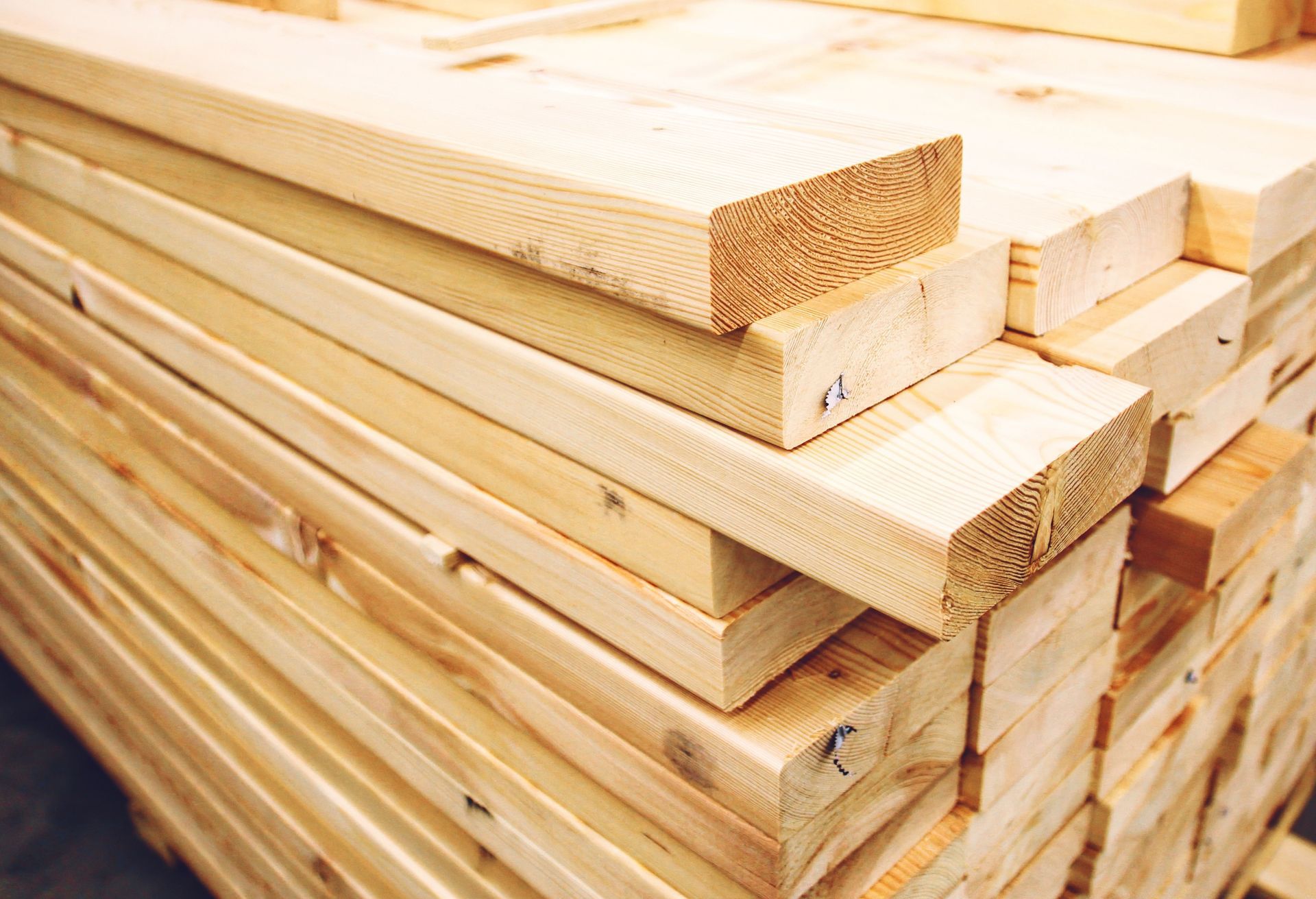
The lifespan of any structure depends heavily on the caliber of the components used throughout construction. Premium building supplies are engineered to withstand decades of everyday wear, heavy structural loads, and shifting environmental conditions without premature degradation. When builders rely on subpar materials, properties become far more vulnerable to warping, cracking, settling, and foundational shifts, particularly when exposed to severe storms, seismic activity, or extreme seasonal temperature swings.
Choosing products that meet or exceed established industry certifications drastically reduces the risk of structural failure and protects human lives. Regulatory bodies and testing laboratories set strict performance benchmarks to verify that framing lumber, concrete mixes, fasteners, and load-bearing assemblies can handle expected stresses safely. Adhering to these recognized standards prevents costly legal liabilities, reinforces builder credibility, and streamlines municipal inspections so projects move forward without unexpected regulatory bottlenecks.
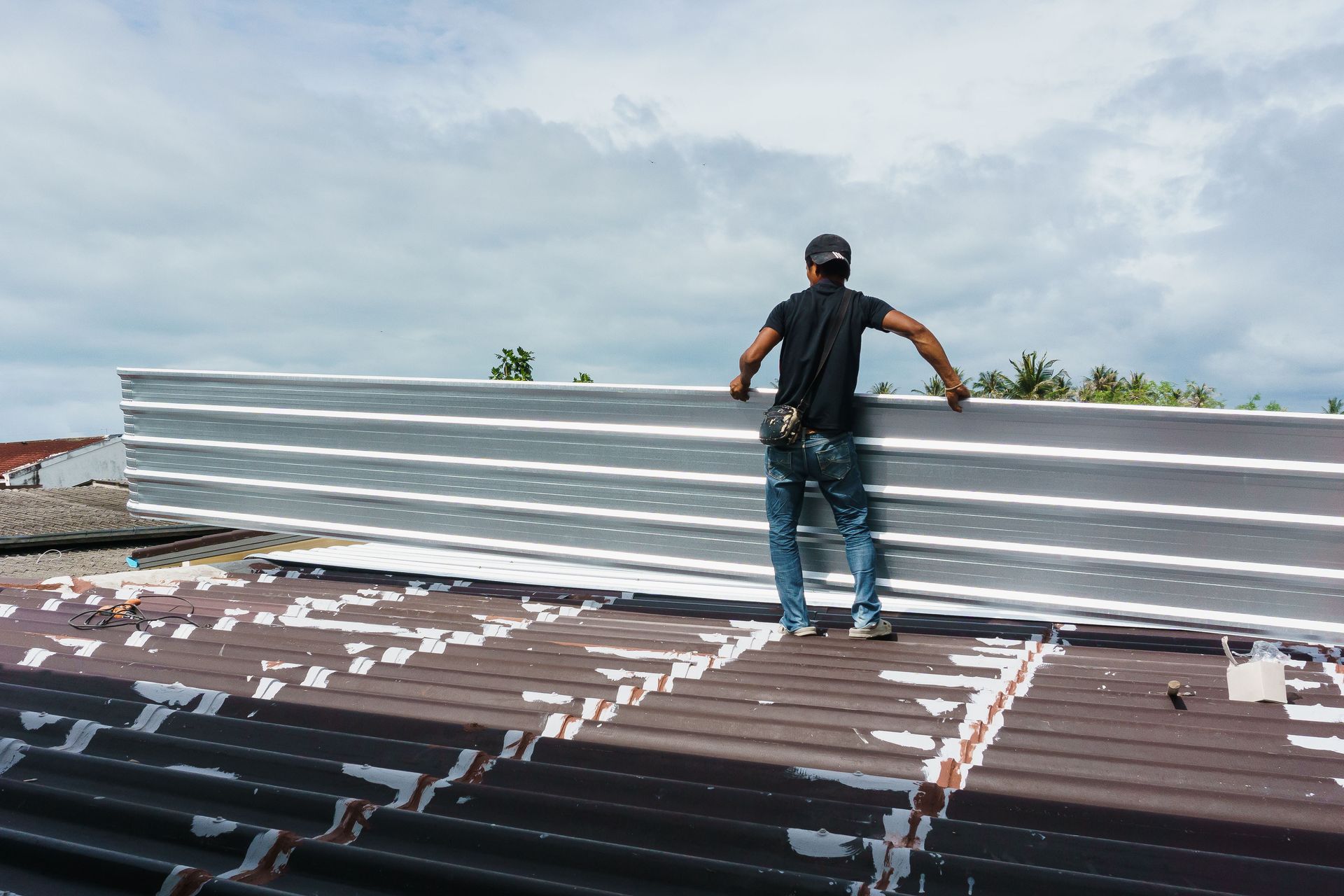
Superior materials also defend buildings against persistent environmental threats such as moisture intrusion, wood-destroying pests, and gradual material fatigue. Moisture-resistant barriers and flashing systems prevent hidden rot and hazardous mold growth, while pressure-treated lumber and resilient composite products deter termite and insect damage. Because durable components require far fewer repairs and replacements over a building's operational lifespan, prioritizing structural quality from the outset dramatically minimizes ongoing maintenance burdens.
Maximizing Cost-Effectiveness Over Time
Opting for bargain materials to trim initial construction expenses often proves misleading when evaluating a project's total lifecycle cost. According to HomeAdvisor, around 60% of overall home-building costs are spent on materials. Because materials represent the largest share of construction spending, making smart procurement choices is essential for protecting your budget, as cheaper alternatives frequently wear out early and trigger recurring repair bills that quickly erase any upfront savings.
High-grade building supplies also improve job site efficiency and curb ongoing operational expenses once the structure is complete. Precision-manufactured materials arrive with consistent dimensions and fewer defects, generating less scrap waste, lowering disposal fees, and keeping installation crews on schedule. After occupancy, high-performance thermal insulation, energy-efficient windows, and tightly sealed roofing assemblies regulate indoor temperatures effectively, cutting monthly heating and cooling utility bills year after year.
Reputable manufacturers further reinforce financial security by backing top-tier products with comprehensive, long-term warranties against material defects and premature failure. In addition to shielding property owners from unexpected replacement costs, documented material quality substantially boosts market appeal when it is time to sell. Prospective buyers recognize the tangible value of a well-constructed building and willingly pay a premium for proven durability, resulting in stronger resale returns.
Elevating Aesthetic Appeal
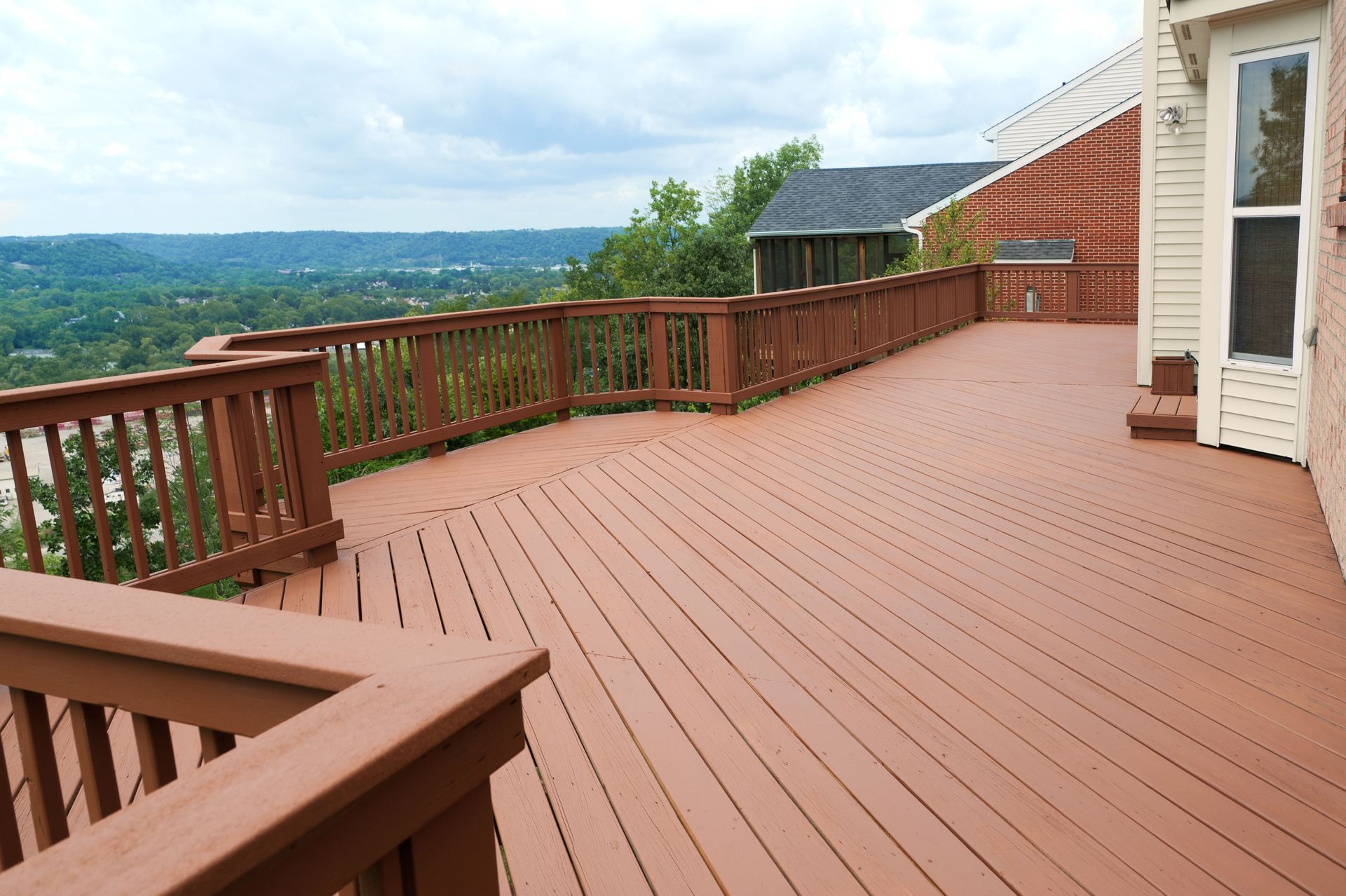
Beyond foundational strength and performance, quality materials give architects, designers, and builders the creative versatility needed to bring distinct design visions to life. Premium finishes, architectural trim, exterior siding, cabinetry, and natural masonry are available in an expansive array of textures, profiles, and color palettes. This breadth of options allows project teams to tailor both interior and exterior spaces with nuance and character rather than settling for generic, off-the-shelf appearances.
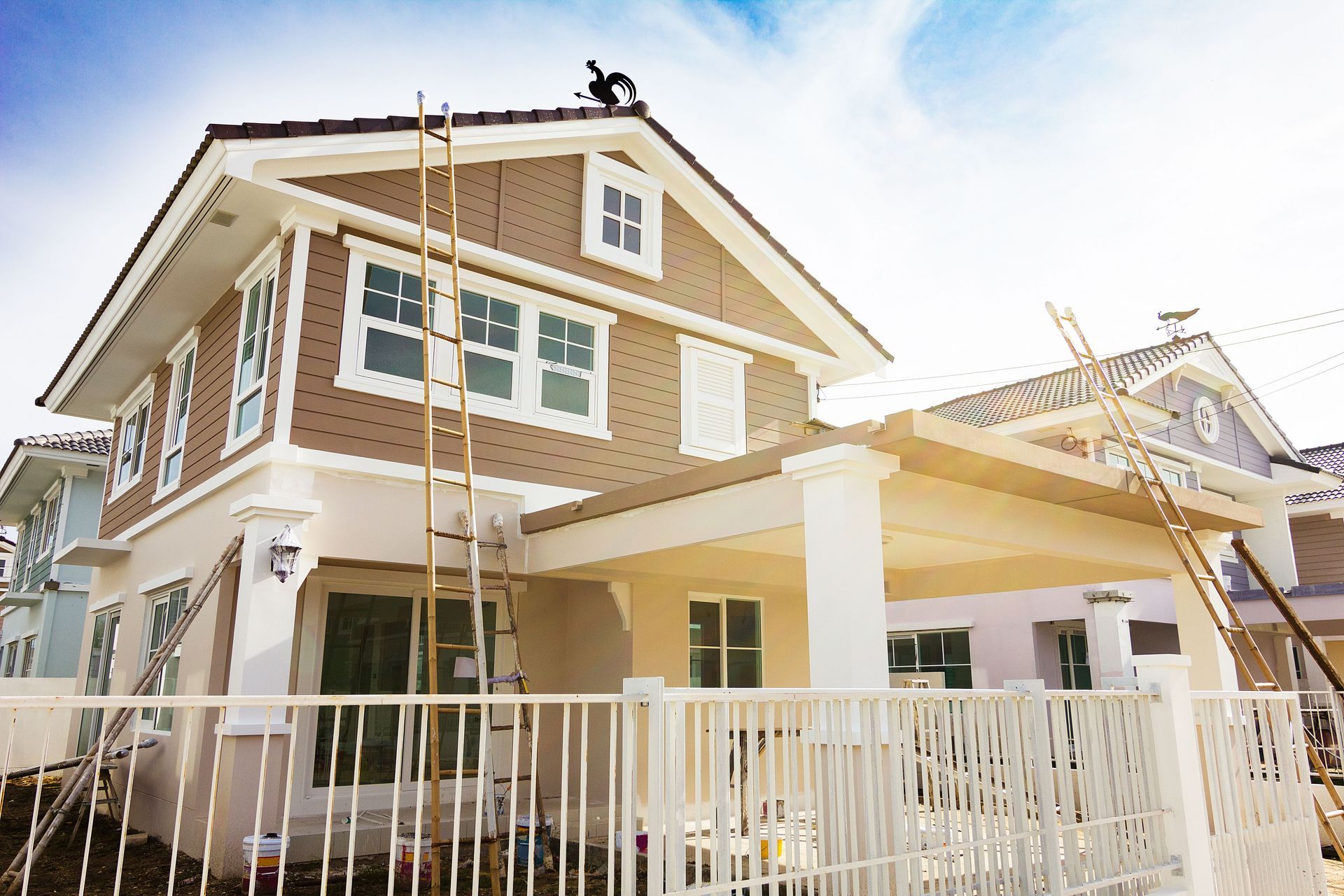
Consistency across production batches is another defining hallmark of dependable building supplies, ensuring seamless visual harmony throughout every room and exterior facade. Lower-grade products frequently suffer from uneven coloring, surface blemishes, or slight dimensional variations that disrupt clean architectural lines and draw attention to flaws. When every board, tile, brick, and panel aligns uniformly, the finished structure projects a cohesive, refined aesthetic that immediately elevates curb appeal and perceived property value.
Top-tier materials also make it far easier to incorporate contemporary architectural trends alongside bespoke client customization. Cutting-edge designs frequently rely on innovative composites, sustainably harvested hardwoods, natural stone, and architectural metals that pair striking visual character with everyday resilience. Investing in adaptable, finely crafted materials ensures the finished space authentically reflects the owner's personal style while remaining visually attractive and relevant for many years to come.
Addressing Environmental Concerns
Modern construction increasingly demands responsible resource management, and sustainable procurement plays a central role in shrinking a project's overall ecological footprint. Ethically harvested timber, low-emission manufacturing processes, and regionally sourced building supplies help curb industrial pollution, reduce transportation emissions, and conserve finite natural resources. Incorporating recycled steel, reclaimed wood, post-consumer glass, and composite materials further lowers the demand for virgin raw materials while diverting usable resources away from landfills.
Durable, precision-crafted supplies also minimize construction waste directly on the job site throughout every phase of the build. Because fewer items arrive damaged in transit or require mid-installation tear-outs and replacements, crews discard significantly less debris and consume fewer excess resources. When paired with high-efficiency thermal envelopes and airtight building assemblies that reduce daily energy consumption, sustainable material choices substantially lower a building's long-term carbon footprint.
Projects constructed with verified eco-friendly materials are also well positioned to earn respected green-building certifications such as LEED or BREEAM. These independent, third-party credentials validate a developer's commitment to environmental stewardship and frequently qualify projects for valuable tax incentives, expedited permitting, or utility rebates. Green-certified properties consistently attract environmentally conscious buyers and commercial tenants, turning responsible material selection into a distinct advantage in a competitive real estate market.
Promoting Safety and Reliable Completion
Maintaining a safe job site and delivering a secure finished building starts with compliant, thoroughly tested materials that meet modern safety codes. Fire-resistant drywall, treated framing, and non-combustible cladding slow the spread of flames and smoke during emergencies, buying critical evacuation time for occupants and helping lower long-term property insurance premiums. Choosing non-toxic, low-VOC paints, sealants, and adhesives likewise safeguards indoor air quality, protecting both installation crews and future residents from harmful chemical exposure.
Reliable materials also protect workers during active construction by arriving with clear handling guidelines, safety data sheets, and predictable structural behavior. Defective, warped, or inconsistent components create unexpected job site hazards and force crews to improvise risky workarounds under tight deadlines. By standardizing around proven, well-documented products, project managers uphold strict occupational safety standards, reduce workplace injuries, and foster a more confident, productive workforce across every phase of construction.
Finally, sourcing from dependable suppliers keeps complex construction schedules and stakeholder negotiations running smoothly from groundbreaking to final walkthrough. Established suppliers maintain resilient logistics networks and strong inventory management that ensure timely on-site deliveries, preventing costly crew downtime and supply bottlenecks. When materials consistently meet exact project specifications without delays or defects, builders avoid contractual disputes, maintain strong client trust, and deliver finished structures on time and within budget.
Choosing superior materials is one of the most impactful investments you can make in any residential or commercial construction project. From reinforcing structural resilience and lowering lifetime ownership costs to enhancing visual appeal, environmental sustainability, and job site safety, quality materials safeguard every stage of the building process. When builders and property owners prioritize proven performance and reliable sourcing from the very beginning, they create enduring spaces that deliver lasting value, everyday comfort, and genuine peace of mind. For more information about the services that we offer, reach out to our incredible team at Stewart Builder Supply today!